Standard delivery available islandwide and worldwide. Learn More

0
Your Cart
empty cart Your cart is currently empty! Return to Shop
Remove All Items

Standard delivery available islandwide and worldwide. Learn More
0
Your Cart
empty cart Your cart is currently empty! Return to Shop
Remove All Items
0
Your Cart
empty cart Your cart is currently empty! Return to Shop
Remove All Items

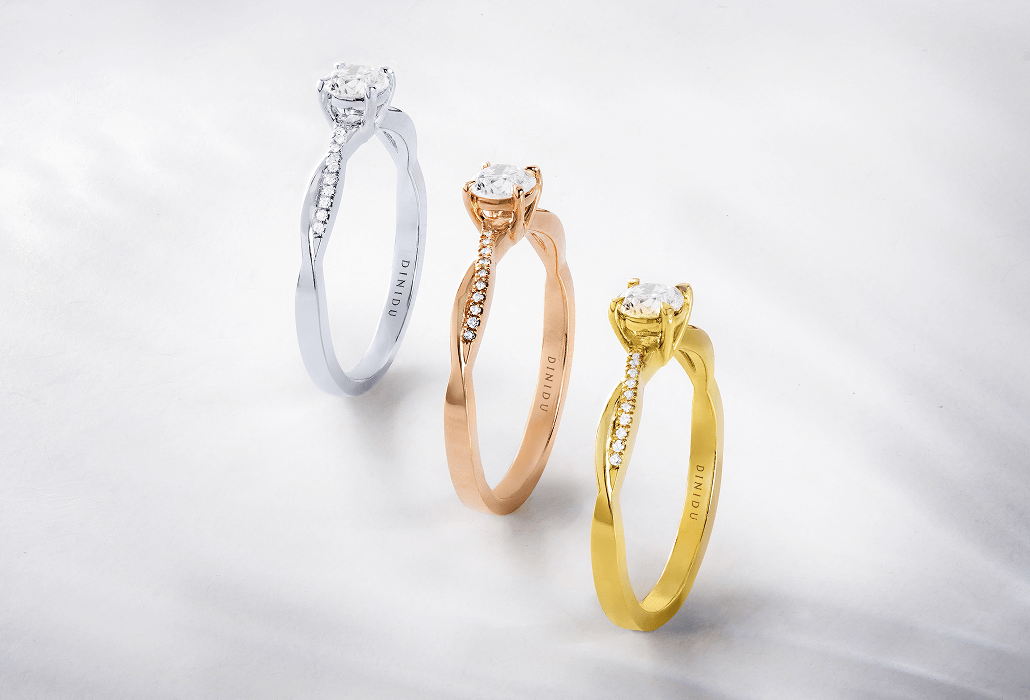
Which Gold Colour Suits You Best? A DINIDU Guide to White, Rose and Yellow Gold Engagement Rings

The metal colour defines your engagement ring’s “mood.” With many beautiful options available, finding the one that suits your style can be surprisingly simple. This guide breaks down each metal tone, i.e., white gold vs rose gold vs yellow gold engagement rings to help you understand how each looks, wears and ages, so you can match it with your preferred stone, your skin tone, and your everyday habits.

Do You Know Your Karats?

  • 24K (99.9% gold): Due to its high purity level, it’s too soft and malleable for daily wear and is generally unsuitable for engagement rings, but highly prized for investment bullions or coins.
  • 22K (91.6% gold): While known for its value retention, this is better suited for solid bands, bangles, or bezel settings, as any prongs made of 22K can easily bend or wear down, putting diamonds at the risk of falling out. 
  • 18K (75% gold): This is the global standard for high-end jewellery like engagement rings as it contains 25% alloys to be strong enough for daily wear, but retains the rich, yellow lustre that is associated with luxury gold.
  • 14K (58.5% gold): This is more common in markets and is significantly harder and more scratch-resistant compared to 18K, but the lower gold content results in a less intense lustre.

White Gold: Crisp, Contemporary & Versatile

  • Aesthetic & Style: White gold provides a crisp, contemporary white tone that maximises diamond brilliance and contrast, making it ideal for modern styles, especially pavé, halo, and sleek solitaires.
  • Composition & Allergy: White gold is an alloy, often containing nickel. So, consumers with sensitivities must inquire about its composition and opt for the hypoallergenic palladium-based alternative if needed.
  • Required Maintenance: The brilliant white look is achieved via a rhodium plating that wears off over time. So, periodic professional re-plating (typically once a year) may be required to restore its original lustre.
  • Alternatives: Platinum is the main alternative, offering a naturally white metal that is denser and does not require plating, instead developing a soft patina over its lifespan.

Yellow Gold: Warm, Classic & Time-Honoured

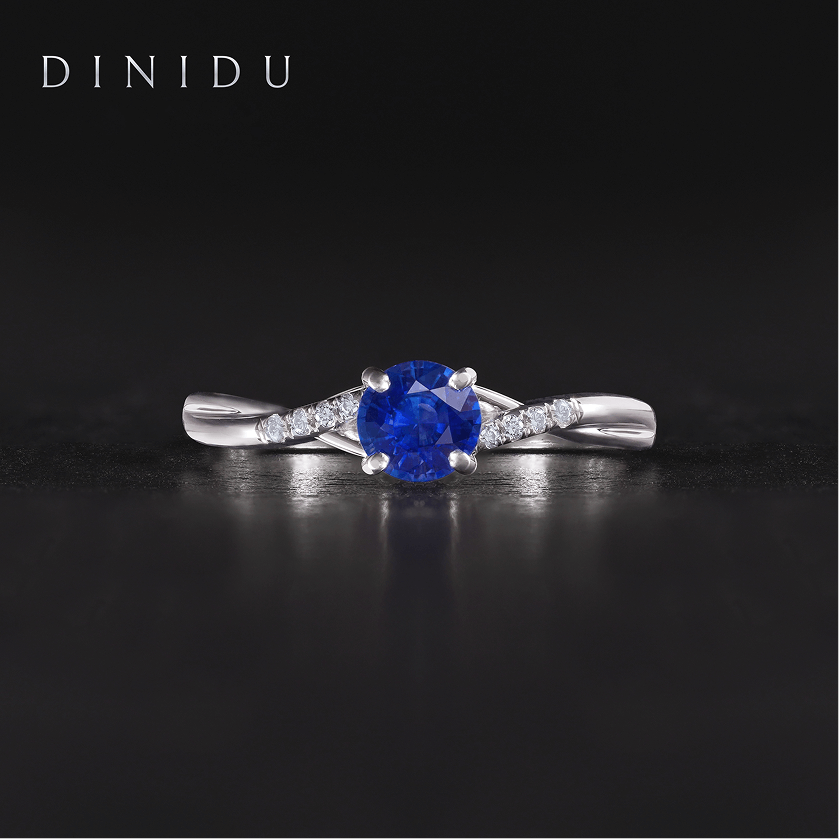
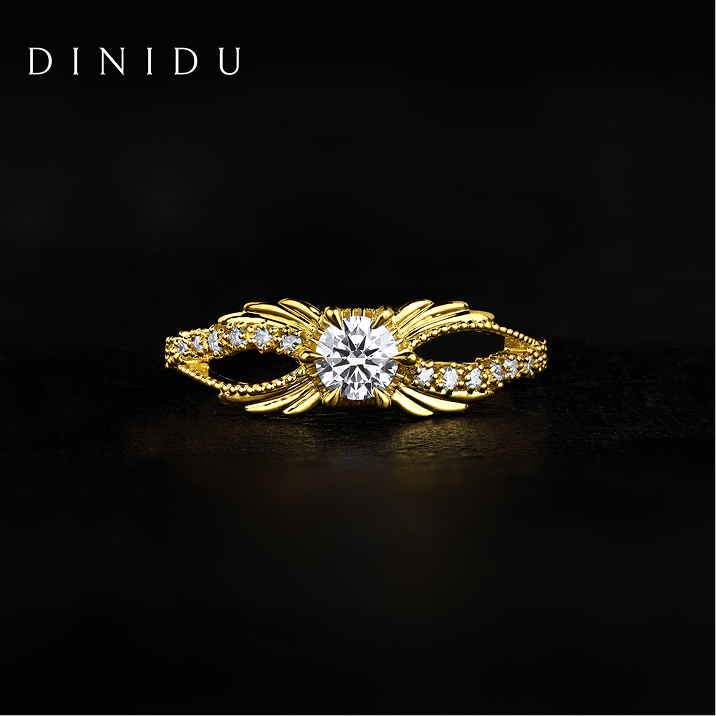
  • Aesthetic & Style: It offers a rich, warm and timelessly classic tone, ideal for traditional and heirloom-inspired designs. Its colour harmonises beautifully with warmer-toned diamonds and contrasts sharply with blue sapphires.
  • Composition & Sensitivities: Yellow gold is typically alloyed with silver and copper to increase durability. It is the most naturally hypoallergenic of the gold colours, making it the safest option for wearers with common metal sensitivities.
  • Maintenance & Finish: Yellow gold requires no plating to maintain its colour. Instead, it develops a desirable soft patina over the years, which lends the piece an appealing, antique-like character.
  • Purity & Hardness: The purity level is the critical factor affecting its composition and durability. Higher purities (22K) are warmer and softer, while lower purities (14K & 18K) are slightly paler and more resistant to scratches, dents and bending.

Rose Gold: Romantic, Soft & Modern‑Vintage

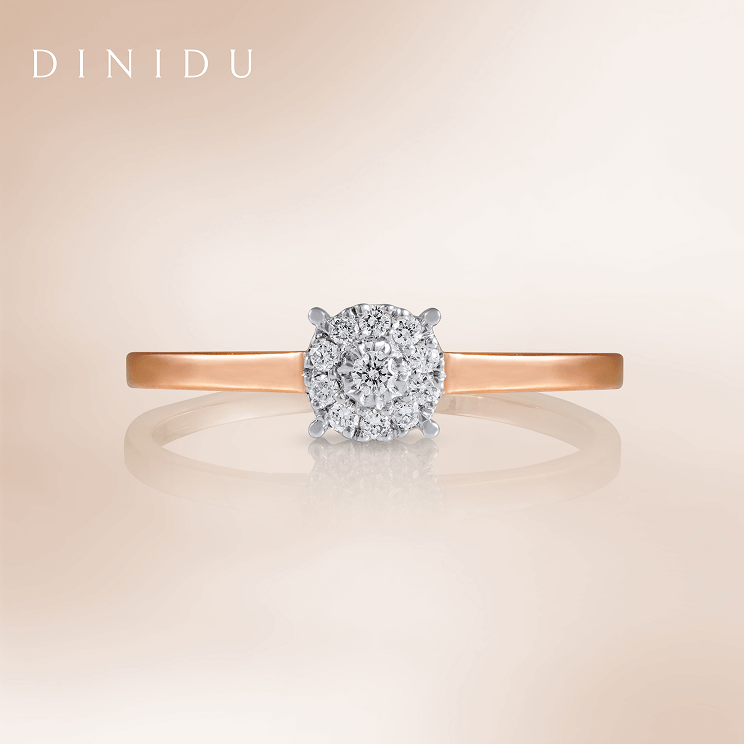
  • Aesthetic & Style: Rose gold achieves a pinkish warmth from its copper alloys, giving it a unique, modern-romantic aesthetic that is universally flattering on many skin tones. It is ideal for subtly vintage aesthetics and mixed-metal stacks.
  • Composition & Sensitivities: Its signature colour comes from being alloyed primarily with copper. As a result of the high copper content, wearers with metal sensitivities (especially copper allergies) must inquire about the alloy composition to prevent possible skin irritations.
  • Stone & Style Pairing: Its warm tone works best with white diamonds and it beautifully complements champagne or coloured diamonds as well. Aesthetically, it pairs particularly well with softer gemstone shapes like oval, pear, and cushion cuts.
  • Maintenance & Hardness: Like yellow gold, rose gold requires no plating. It is inherently very durable due to the copper content, which makes 14K rose gold one of the strongest gold alloys available for jewellery.

Maintenance & Day‑to‑Day Wear

  • White Gold Engagement Rings : Requires professional rhodium re-plating once a year to maintain its brilliant white finish, as the outer rhodium layer naturally wears away, revealing the warmer base alloy underneath.
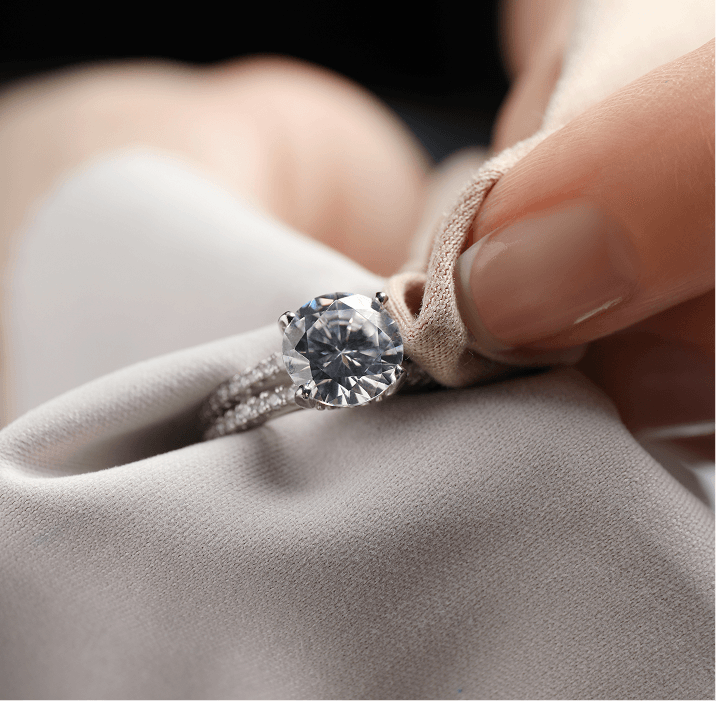
  • Yellow Gold & Rose Gold: These metals do not require plating to maintain their colour. Simple steps you can take at home include cleaning with mild soap and running water with a soft brush to restore the shine, and they can be professionally polished as needed to remove surface scratches.
  • General Care for All Golds: To ensure longevity, always remove rings during heavy physical work, exercise and household cleaning. Avoid contact with harsh chemicals, chlorine and bleach, as these can affect the alloys. Store pieces separately (ideally in a soft pouch) to prevent scratching.

Quick Comparison

FEATURE WHITE GOLD YELLOW GOLD ROSE GOLD
Visual mood Modern, crisp Classic, warm Romantic, soft
Ideal stones Any coloured gemstone Medium tone gemstones Light coloured gemstones
Maintenance Rhodium re-plating over time Occasional polish Occasional polish
Skin sensitivity Check nickel/palladium options Generally good Check copper sensitivities
Style pairings Halos, pavé, solitaires Heirloom, vintage, solitaire Modern-vintage, oval, pear, cushion cut

FAQ

Will white gold turn yellow?
White gold is naturally off‑white, achieved through rhodium plating. To keep it new and crisp, re‑plating is required once a year to restore its lustre.
While 22K gold offers a higher purity and a bright yellow lustre, it is often too soft for fine prongs and micro‑pavé settings. 18K gold is the global standard for engagement rings.
Yes, you can. We recommend keeping one unifying element (i.e., band width, texture, or shared detail) so the stack looks intentional.
Metal Type
Stones Filter
Shape
Metal
Select Price - slider
10,00043,700,000

Inquiry

Not sure what to pick?
Get a free 10-min styling consult.

Speak with our jewellery specialists about all your sizing, gemstone, certification, or gift wrapping needs.

Got a question?
Chat with our Jewellery Experts now on WhatsApp

*Conditions Apply