Standard delivery available islandwide and worldwide. Learn More

0
Your Cart
empty cart Your cart is currently empty! Return to Shop

Standard delivery available islandwide and worldwide. Learn More

0
Your Cart
empty cart Your cart is currently empty! Return to Shop
0
Your Cart
empty cart Your cart is currently empty! Return to Shop

Are Ceylon Sapphires One of the World's Most Coveted Gemstones? A Buyer’s Guide to Origin, Quality and Investment

Few gemstones carry the prestige of Sri Lankan sapphires. For over two thousand years, the island once known as Ceylon has produced some of the finest blue gems the world has ever seen, and at DINIDU in Colombo 07, we are known for sourcing, treating and crafting some of the finest sapphire jewellery available in the country. Whether you are searching for a blue sapphire ring Colombo collectors admire or a rare coloured stone, keep reading to learn what makes the Ceylon sapphire exceptional and how to buy one with confidence.

What Makes Ceylon Sapphires So Valuable?

Sri Lankan sapphires, traded internationally under the historic name Ceylon sapphire, are prized for their exceptional transparency, brilliance and the widest natural colour range of any sapphire source in the world. They are known to form in the ancient gem-bearing gravel deposits around Ratnapura, the island’s gem capital. At DINIDU, our purchasing offices and manufacturing facilities are based in Ratnapura itself, which means every stone we select travels from rough crystal to finished sapphire jewellery Sri Lanka trusts, without passing through intermediaries or third-party importers.

How Is a Ceylon Sapphire Different From Other Sapphires?

All Ceylon blue sapphires are of the same mineral composition, coloured blue by traces of iron and titanium. What separates them from Kashmir or Burmese sapphires is geology. Ceylon sapphires are celebrated for their high transparency, lively colour and eye-clean clarity, and Sri Lanka remains the world’s primary source, especially of the rare sunset-hued padparadscha stones. On the one hand, Kashmir sapphires, sourced from deposits exhausted since the 1930s, carry a velvety “sleepy” blue and command the highest prices per carat due to their rarity. On the other hand, Burmese sapphires lean towards a deep, saturated midnight blue. In terms of beauty, availability and certified origin combined, the Ceylon sapphire offers the finest balance of quality and value.

What Colours Do Ceylon Sapphires Come In?

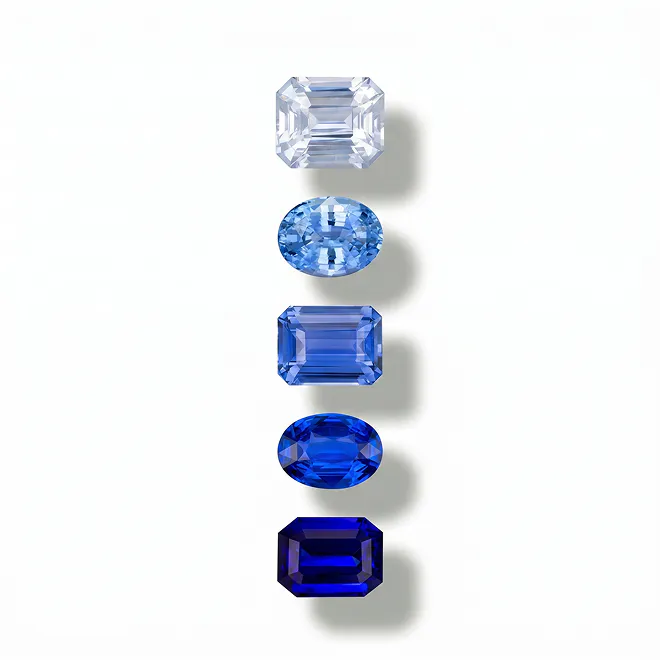
Sri Lanka produces a broader spectrum than any other sapphire origin. Through our direct presence in Ratnapura and our access to proprietary heat treatment technology, we unlock the finest colour from the earth-mined stones and source high-value coloured stones that most jewellers in the country simply cannot reach. Each sapphire colour also carries its own meaning, offering sapphire jewellery Sri Lankan clients can choose with intention.

COLOUR WHAT IT TYPICALLY SYMBOLISES EXPLORE AT DINIDU
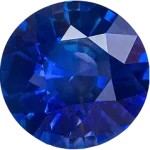
Blue The classic and most sought-after Ceylon sapphire.
Denotes wisdom, loyalty, truth and nobility
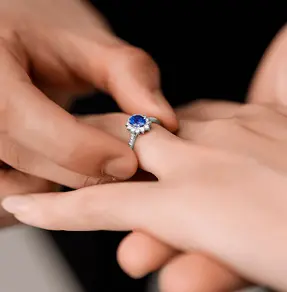
Royale Timeless Blue Sapphire and Diamond Halo Platinum Ring
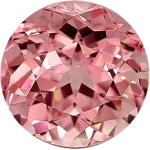
Sunset Padparadscha A unique blend of pink and orange inspired by the lotus flower that signifies purity, new beginnings, and grace Reina Sunset Padparadscha and Diamonds Rose Gold Ring
Pink Love, romance and matters of the heart Pink Sapphire Solitaire Rose Gold Ring
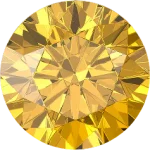
Yellow Prosperity, abundance and optimism Luna Yellow Sapphire White Gold Infinity Ring
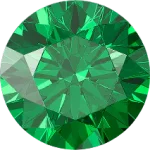
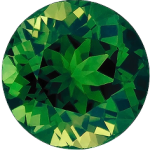
Green Calm, integrity and tranquillity Nina Green Sapphire and Rose Gold Ring
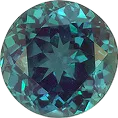
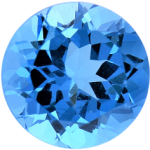
Teal Balance and harmony Forever Teal Sapphires White Gold Band
White Purity, clarity and spiritual growth White Sapphires Rose Gold Ring
Multicoloured Joy, vibrancy and a celebration of Sri Lanka’s full spectrum of sapphire colours. The Spectrum Collection

Which Shade of Blue Sapphire is the Best?

Many buyers assume the deepest royal blue is always best, but colour behaves differently under real light. A very dark royal blue can appear almost black in low light, while a lighter cornflower blue stays bright and lively across every lighting condition. This is why cornflower tones have long been favoured in Europe and are increasingly sought after in the Asian market. When choosing a blue sapphire ring Colombo clients will want to wear day and night, it is always recommended to go for darker shades if you prefer to wear it during the day and lighter tones for evening wear.

How Do You Evaluate the Quality of a Sapphire?

Assessing a sapphire effectively means looking beyond first impressions. When we guide clients through selecting a sapphire, these are the factors we examine, in order of importance:

  • Colour is the single most important factor. We assess hue, tone and saturation and check that the colour sits evenly across the stone rather than in concentrated zones so it reads bright and lively face-up rather than washed out at the centre.
  • Clarity refers to the inclusions within the stone. A fine Ceylon sapphire is typically eye-clean, though some natural inclusions can serve as reassuring evidence of a genuine origin. 
  • Cut determines how well a stone returns light. A symmetrical, well-proportioned cut brings out the brilliance of Sri Lankan sapphires, while a poor cut leaves even fine material looking dull.
  • Carat weight measures the size of the stone. Larger sapphires are rarer and priced at a premium per carat, so weight should always be considered alongside colour and clarity.
  • Treatment status should always be clear. We disclose whether every stone is unheated or heat-treated, as an unheated natural sapphire is typically rarer and more valuable than a treated stone.

What Is the Difference Between a Heated and Unheated Sapphire?

An unheated natural sapphire displays colour exactly as it emerged from the ground, having been formed over millions of years. A heated natural sapphire has undergone a controlled high-temperature treatment that permanently develops the colour the crystal was always capable of producing. Around 95% of the world’s sapphires, including those set by the most prestigious jewellery maisons, are heated. While heated natural sapphires are neither inferior in quality nor less in value, unheated natural sapphires will typically be higher in price given their rarity.

Red Flags to Avoid When Buying a Sri Lankan Sapphire?

  1. No third-party laboratory verification / certification from an unrecognised lab:
    A certificate for your sapphire must always come from a reputable and accredited gemmological laboratory, not simply the vendor’s own paperwork or an obscure institution whose standards cannot be verified. It is the only objective record of what you are buying. Every sapphire at DINIDU includes documentation as standard, comprising a complimentary third-party certification from a Sri Lankan accredited laboratory, and, upon request, a certification from the National Gem and Jewellery Authority.
  2. Undisclosed treatment:
    Heating is acceptable when honestly declared and when using internationally recognised sustainable technologies. Problems tend to arise when deceptive vendors try to hide it or describe the process in vague terms. DINIDU sources Ceylon sapphires that have been treated with internationally recognised proprietary heat treatment technologies developed by industry experts. 
  3. No transparency about stone clarity:
    A reputable jeweller will show a stone under magnification, point out any inclusions, and explain how they affect its value. Every purchase at DINIDU is likewise guided by a personalised consultation, where our jewellery experts take the time to discuss, explain and show your chosen sapphire under magnification, so your confidence rests on full transparency.

Are Sri Lankan Sapphires a Good Investment?

In today’s market, fine Sri Lankan sapphires have shown more stable investment value than diamonds in recent years, having held and grown their worth for generations. Unheated sapphires, particularly of exceptional colour, rank among the most sought-after coloured gems in the world. Given that we source directly from our mines in Ratnapura, with no chain of intermediaries, we guarantee both responsible sourcing and the best possible price for our clients. This direct access is what allows a blue sapphire ring Colombo collectors treasure to be an heirloom and a sound investment at once.

Start Your Gold Investment with DINIDU

FAQ

What are Ceylon sapphires?
A Ceylon sapphire is a sapphire mined in Sri Lanka, historically known as Ceylon. These stones are prized worldwide for their transparency, brilliance and exceptionally wide range of natural colours.
Most Sri Lankan or Ceylon sapphires are found in the gem-bearing gravel deposits of the Ratnapura region. At DINIDU, our purchasing and manufacturing operations are based in Ratnapura, giving us direct access to the source.
Each sapphire variety has its own character. Kashmir sapphires are the rarest and most expensive, while Burmese stones are deeply saturated. Ceylon sapphire offers the finest balance of beauty, availability, certified provenance and value.
Sapphire quality is judged on colour, clarity, cut, carat weight, and treatment status.
Padparadscha is the rarest and hardest to source. Its delicate mix of pink and orange, named after the lotus blossom, occurs within a very narrow colour window, making fine specimens exceptionally scarce.
Yes, they are. A heated natural sapphire is a genuine, earth-mined stone whose colour has been developed through controlled high-temperature treatment. Around 95% of the world’s sapphires are heated, and we disclose treatment status on every stone.
Every piece of sapphire jewellery clients buy from us includes gemstone documentation as standard, with an independent third-party laboratory certification provided complimentary and a certification from the National Gem and Jewellery Authority arranged on request.
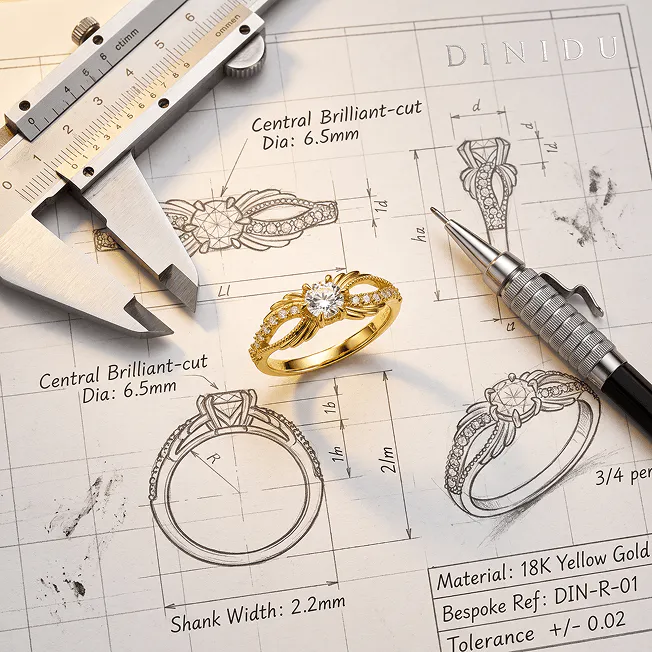
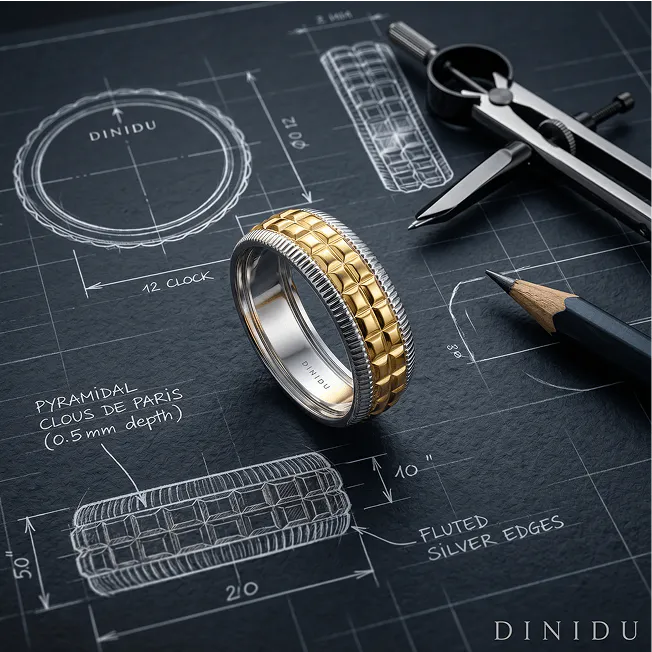
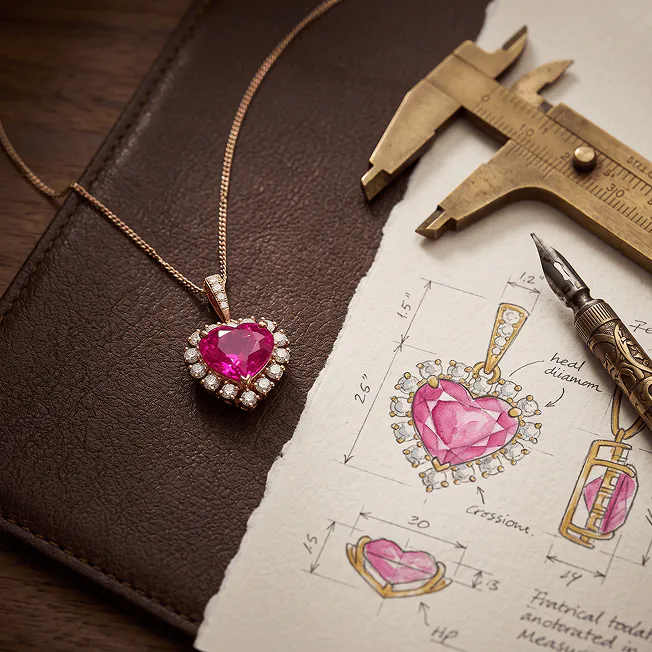
Yes, you can. We specialise in bespoke design, crafting custom rings, pendants and bracelets, bangles, necklaces, cufflinks and many more around sapphires of your choice, from initial concept through to the finished heirloom piece.
Fine Sri Lankan sapphires, particularly unheated stones of superior colour, have appreciated over time and are perceived as relatively more stable in value, in comparison to diamonds. Our direct sourcing ensures both responsible provenance and the best price with investment value.